
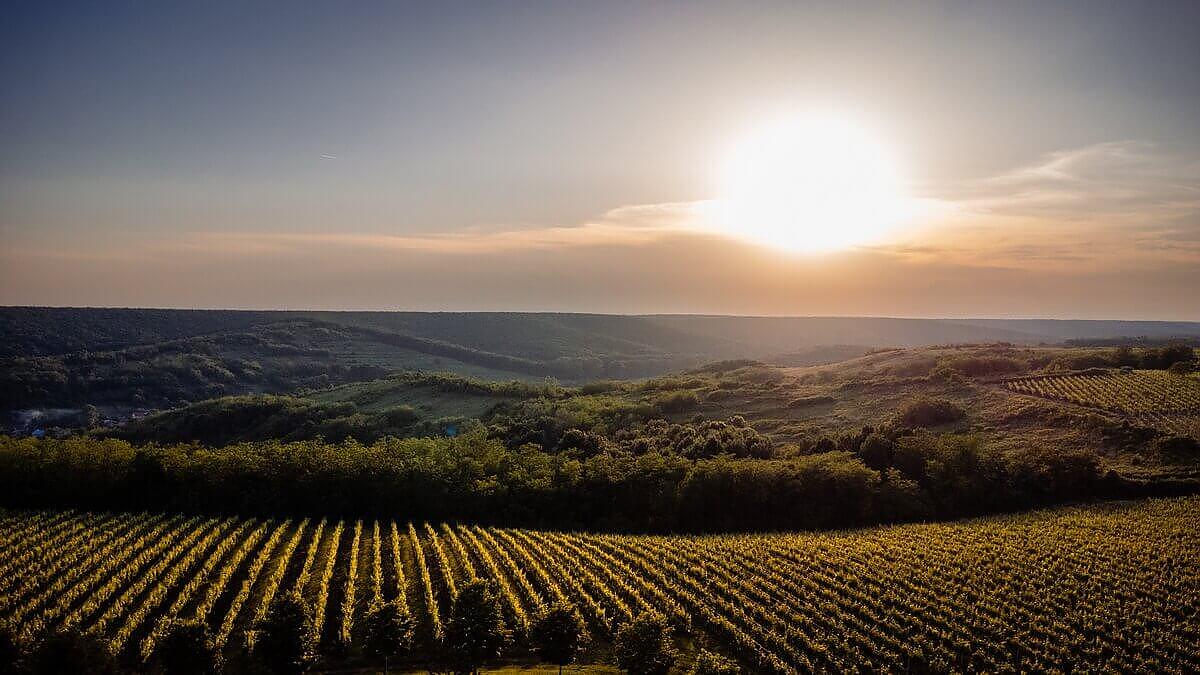

A century ago, when you said Drăgășani, you meant Braghină, Crâmpoșie (better known, in fact, as Cârlogancă) and Negru vârtos. Today, the same name stands for Crâmpoșie Selecționată, Negru de Drăgășani, Novac or Alutus. And in the future, you will probably hear of Vilarom, Crâmpoșie Aromată or Rusidava.
It is another life, born from the hands of the researchers at the Drăgășani Research and Development Station for Viticulture and Oenology (SCDVV Drăgășani) and from the dedication and hard work of the growers who trusted the fruits of their labor.
Romania’s New Wine Grape Varieties
The year 1972 was a good one for Romanian viticultural research. At SCDVV Odobești, Șarba was officially recognized – a variety that remained in the shadows until the mid-1990s, but later grew exponentially and now covers 322 hectares, mainly in Vrancea, its birthplace. Judging by the numbers, it could be considered the most successful modern Romanian grape variety.
In the same year, at SCDVV Drăgășani, Crâmpoșie Selecționată was officially registered. Today it is planted on 145 hectares across several regions of the country. Cârlogancă, or “classic” Crâmpoșie, still covers 325 hectares, yet it is almost impossible to find in commercial versions – a mystery we will attempt to clarify.
Many other successful varieties were to emerge from Drăgășani. In 1987, Novac was registered, obtained from a cross between Negru vârtos and Saperavi. In 1993, Negru de Drăgășani was registered, from the same cross. From Băbească neagră and Saperavi came Alutus, registered in 2003. Also in 2003, Vilarom was registered – an aromatic variety created from Muscat Hamburg, Crâmpoșie and Muscat Ottonel, now on the verge of wider vineyard release.
A Rapid Succes: Negru de Drăgășani
Although it currently covers only 77.43 hectares, Negru de Drăgășani is more than just a success story. Quickly adopted in the vineyards of local producers – Avincis, Știrbey and Crama Bauer – it surprised wine lovers, offering a true and profound “taste of place,” with subtle rustic accents elegantly masked by refined notes, complexity balanced by a direct expression. Clean, honest, powerful and charming.
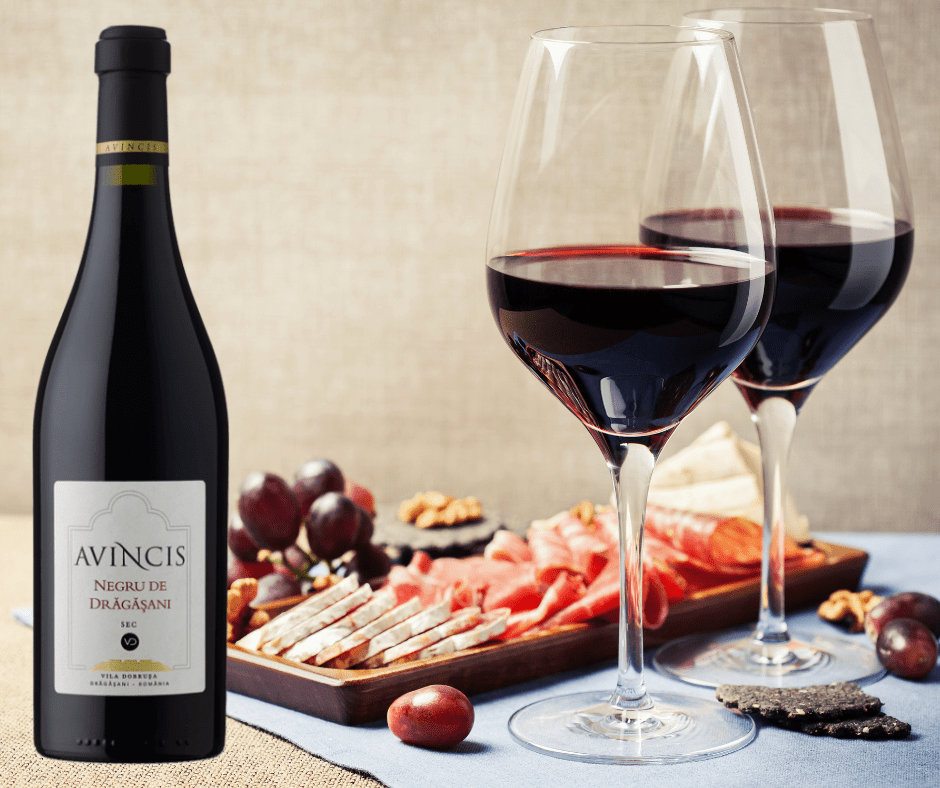
Later attempts to expand the variety, particularly in Dealu Mare and Banat, revealed highly successful versions that express both the character of the grape and the identity of the place.
The Power of a “Spiritual Parent”
The area planted with a variety is only one indicator of success. Aromat de Iași, for example, covers a comparable 53 hectares but enjoys far less recognition. In fact, even less than Alb Aromat which, with only 24 hectares, has at least seen a few commercial releases. The same goes for Golia, which exists bottled and available, although official data from ONVPV shows it cultivated on just 2.5 hectares. (All the varieties mentioned above are products of recent Romanian research.)
To build a brand around a grape variety, just as important are the credibility of those promoting it, the quality delivered to the market, consistency over time and, naturally, public perception. At Avincis, Bauer and Știrbey, Negru de Drăgășani and Crâmpoșie found an essential starting base – with Crâmpoșie Selecționată also benefiting from the support of one of its earliest advocates, Mugur Isărescu.
In recent years, the variety Alutus has also been launched “under its own power,” first introduced at Avincis in a limited edition, Alutus Primus Cuvée Valerius. After three vintages – one already split into different ranges – the value of this variety is now recognized among wine lovers, even though it occupies only 8.13 hectares nationally.
Crama Bauer recently joined the promotional effort with another limited release of just a few hundred bottles of red wine and 3,300 bottles of rosé.
A New Local Identity
The powerful return of Drăgășani into public awareness has been something of a “perfect storm.” On one hand, valuable varieties registered at the turn of the millennium and a new wave of quality-oriented producers willing to invest in local grapes; on the other, a new generation of consumers eager to experiment and learn, improved living standards and the enthusiasm brought by Euro-Atlantic integration.
We asked Professor Valeriu Stoica, founder of Avincis, two questions – why he chose to invest in these then-unknown or little-known varieties and why we do not taste a Novac from Avincis. His response was clear and firm, as always:
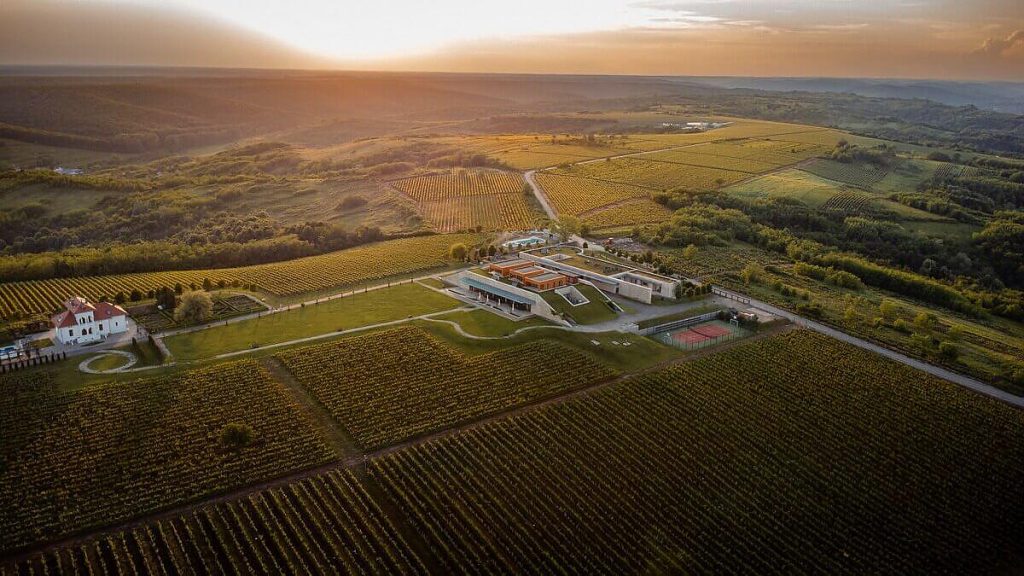
“I do not want to use grand words, but it is about cultivating tradition. Literally and figuratively. It is the identity of this place, and I truly wish to emphasize it even more – at this moment we are studying the possibility of using two other old local varieties, Braghină and Gordan. And it is not only the identity of this place, but part of Romania’s identity – the one we need to present to the world. I believe local varieties can and should be our key proposal for export.
As for Novac… We already had Pinot Noir planted, and Novac not only produces a similar wine, but it also requires the same excessive effort. It would have been too much. And, as I said, there are older varieties we would like to bring back into focus. Perhaps not as standalone wines – I do not know how successful a Braghină wine would be – but at least for reviving the traditional local blend, alongside Tămâioasă Românească and Crâmpoșie.”
The first life – A Tradition of Knowledge
The life of wine in Drăgășani begins deep in history and reaches an early peak in the mid-19th century, before the phylloxera plague, when the local wines won their first international awards. It was described by the great professor I.C. Teodorescu – founder of Romania’s first research stations and ampelographic collections – as a “magnificent and unique temple of the country.”
Drăgășani was among the first regions to react to phylloxera, replanting significant areas with grafted vines from abroad as early as 1885.
Though today it may sound like a provincial town, Drăgășani was once a vibrant cultural center, especially during the interwar period. Its relative proximity to Craiova, a major university center, the prosperity of neighboring mining communities in Valea Jiului, local landowners and easy access from Bucharest made it either a home or a seasonal refuge for an important intellectual class. Professors, doctors, financiers, politicians, writers and entrepreneurs owned properties or holiday homes here.
The Second Life – A Spearhead of Research
It is no coincidence that in 1936 the Experimental Station for Viticulture and Oenology Drăgășani was established. On this occasion, Professor I.C. Teodorescu published the first monograph, “The Drăgășani Vineyard,” and later donated his personal library of 2,392 volumes to the station in 1944. The stations in Drăgășani and Odobești, founded in the same year, were the first of their kind in Romania.
A relatively recent research tradition, yet one marking a turning point – the beginning of a new life. Here were born the grapes that define today’s local identity: Crâmpoșie Selecționată, Novac, Alutus and Negru de Drăgășani – each rooted in local heritage.
Why Can We No Longer Find “Classic” Crâmpoșie?
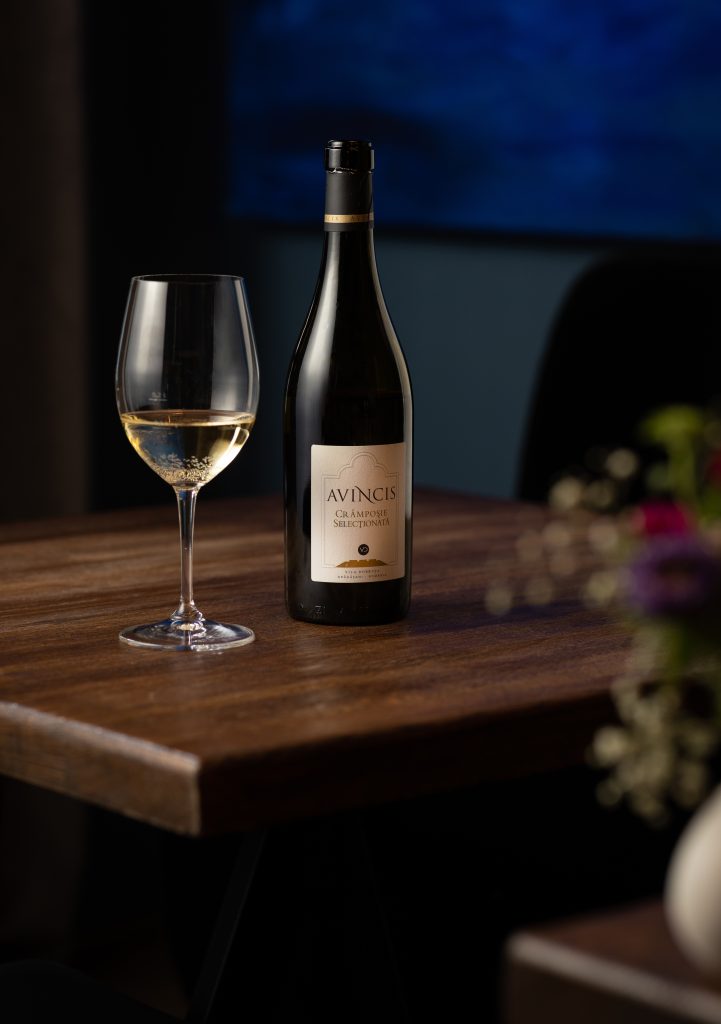
“Crâmpoșie Selecționată was born from the free pollination of Cârlogancă, or old Crâmpoșie. It was a grape that would grow juicy one year and fleshy the next – you never had the guarantee of the same result. Through research and cross-breeding, the aim was to preserve the grape’s character while improving certain traits, so annual harvests would be predictable and consistent in quality,” explains Bogdan Trușcă, director of SCDVV Drăgășani.
“Crâmpoșie appears to be more widely cultivated than Crâmpoșie Selecționată, which is true. It could be a registration error, but it is equally possible that the recorded surface consists of many small plots belonging to households, where either no wine is made or only small quantities for personal consumption,” adds Valeriu Stoica.
A Potential “Aromatic Future”
At SCDVV Drăgășani, work never stops. The institution’s website presents numerous achievements, research projects and future plans. There is even a wine library capable of stirring the curiosity of the most demanding connoisseurs – would you not like to know what Rusidava blends (white and red), Perla de Zala or one of the first Novac wines from the 1993 harvest tasted like?
Speaking of names – Rusidava is now the name of a new variety developed here, currently in the process of registration. Crâmpoșie Aromată has already been registered, along with a new Muscat clone and two Sauvignon clones. Vilarom, registered in the 1990s, is being prepared for wider cultivation.
“When you want to present a variety, the potential client must see how it looks in the vineyard, to know what to expect, and also taste the wine. We are now preparing to promote Vilarom – this autumn we will produce several demonstration batches to highlight its potential,” says Bogdan Trușcă.
“Romanian producers have begun to move away from French varieties and turn toward indigenous grapes. And I am not speaking only about those here in Drăgășani or Oltenia – we receive visits from producers all over the country,” he adds.
As for Negru vârtos, the old father of two important varieties in the new history of Drăgășani, rumors say that several producers in Oltenia are trying to bring it back to the market…