

Băbească Neagră, known under the synonym Rară Neagră — the name more commonly used across the Prut River — is one of the oldest red grape varieties cultivated in Romania. With a documented history spanning centuries and a traditional presence in eastern Romania, the variety was long associated with simple wines intended for everyday consumption. In recent years, however, Băbească Neagră has undergone a visible process of revaluation, becoming increasingly present in the portfolios of producers interested in authenticity, terroir, and modern wine styles.
Origin and identity
An indigenous variety of historical Moldova, Băbească / Rară Neagră has a clear regional identity, but also a cross-border one. In the Republic of Moldova, where it is known exclusively as Rară Neagră, the variety has been consistently preserved and promoted, including in premium-oriented wines. Legislative differences and consumer preferences have shaped Rară Neagră in Moldova into a class of more extractive wines, with deep and intense color. Meanwhile, the Romanian style — more faithful to the grape’s natural characteristics — has brought forward lighter, more supple wines, with less intense color, spicy nuances, and subtle vegetal notes.
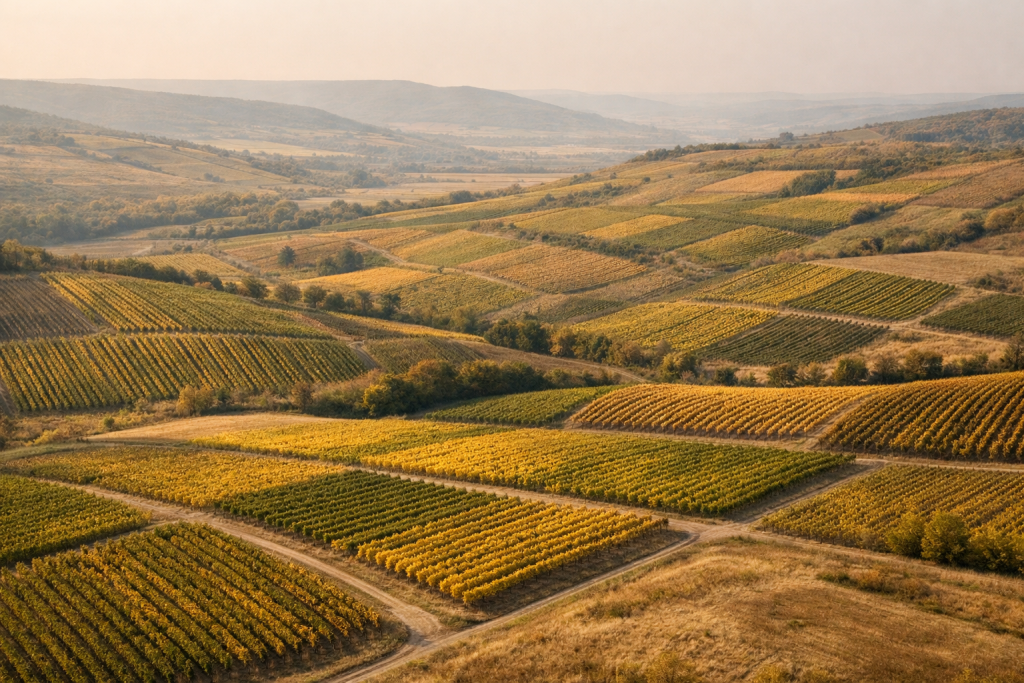
Seven years after planting, Vintruvian Estates, which owns the largest plantation of Băbească / Rară Neagră in Romania, has reached the desired quality level to initiate a rebranding process for the variety. From now on, it will appear in the wines of Via Viticola Sarica Niculițel (Caii de la Letea) under the name Rară Neagră.
Vineyard Area and Geographic Distribution
In Romania, Băbească Neagră covers approximately 2,589 hectares, making it the second most planted indigenous black grape variety.
In terms of vineyard distribution, the variety is overwhelmingly concentrated in the Dealurile Moldovei region, which accounts for over 2,150 hectares — the vast majority of Romania’s Băbească Neagră plantings. It is followed at a considerable distance by:
- Dobrogea Hills (193 ha)
- Southern Sands (139 ha)
- Danube Terraces (63 ha)
- Muntenia and Oltenia Hills (36 ha)
At county level, the concentration becomes even more evident. Galați leads by far, with over 1,840 hectares of Băbească Neagră, confirming its historical role in cultivating the variety. It is followed by Vrancea (approx. 248 ha), Tulcea (over 150 ha), and Brăila (around 142 ha).
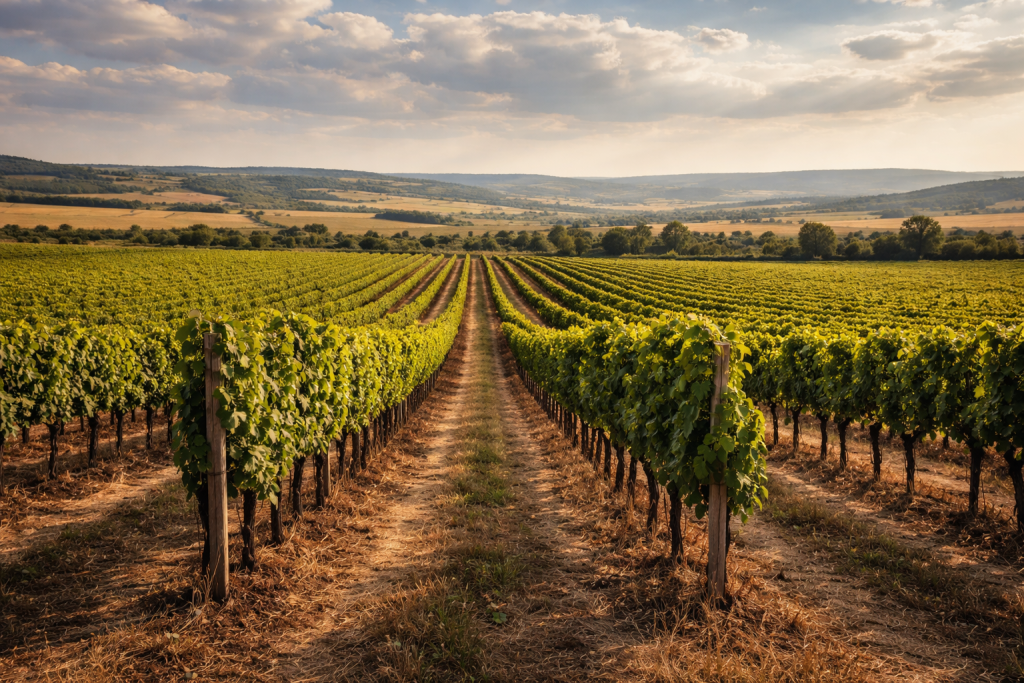
Other counties with smaller yet notable areas include Mehedinți, Constanța, Dolj, Olt, Iași, and Vaslui, where Băbească Neagră appears more as a complementary variety or in fragmented plantings.
Source: ONVPV 2025
Profile Style and Potențial
From an oenological perspective, Băbească Neagră is characterized by:
- natural high acidity
- moderate alcohol levels
- smooth tannins
- aromatic profile dominated by red fruit, spices and floral notes
These characteristics make it highly adaptable to contemporary winemaking styles. Beyond light red wines focused on freshness and drinkability, the variety is increasingly used in personality-driven rosés and, more recently, in sparkling wines. Current efforts are moving toward more structured interpretations, achieved through controlled yields and carefully calibrated maturation.
Case Study: Băbească / Rară neagră in the Vision of Vintruvian Estates
A relevant example of how Băbească Neagră can be reinterpreted in a contemporary context is Vintruvian Estates, a Romanian group bringing together four wineries with distinct identities and terroirs: Via Viticola Sarica Niculițel (Caii de la Letea), Crama DeMatei, Olterra, and Crama Histria.
According to Alin Lăzărescu, CEO of Vintruvian Estates, the group currently owns the largest area of Băbească / Rară Neagră in Romania, treating the variety as a strategic pillar of its portfolio rather than a niche curiosity. The Vintruvian approach focuses on leveraging the grape’s natural versatility and adapting it to modern consumption contexts.
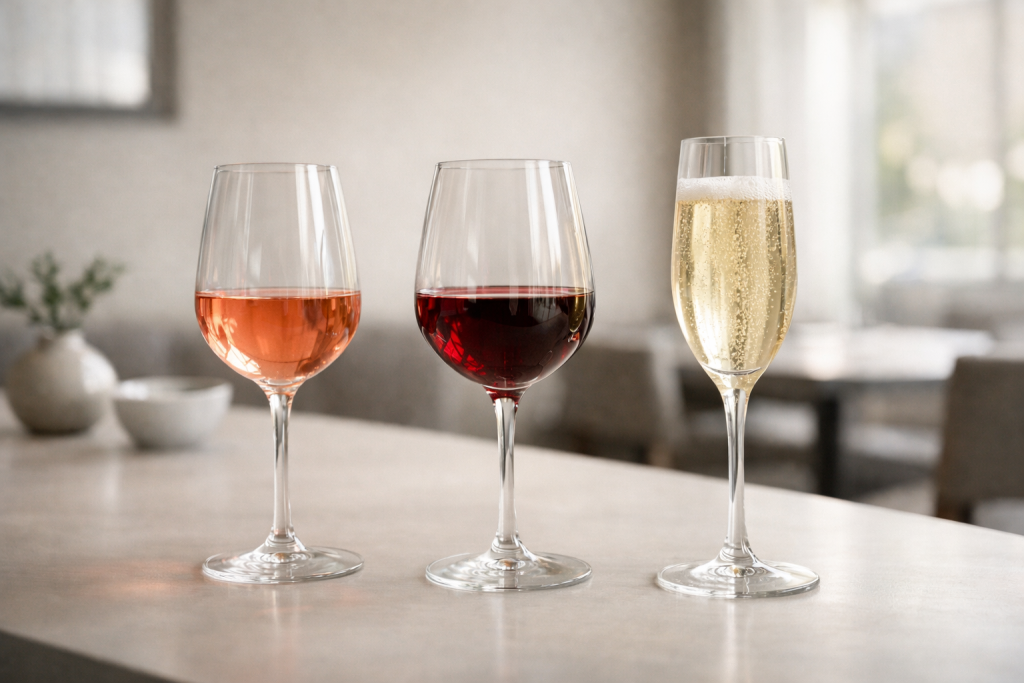
In this regard, Vintruvian Estates is developing a coherent line of wines from Rară Neagră, including:
- a rosé oriented toward freshness and expressiveness
- a still red wine focused on balance and drinkability
- a sparkling wine that capitalizes on the variety’s natural acidity
- a white vinification of the variety
This stylistic diversification is supported by a winemaking philosophy based on minimal intervention, aromatic clarity, and respect for terroir. Moreover, Vintruvian treats Rară / Băbească Neagră as a variety capable of communicating Romanian wine identity on international markets, integrating it into export and HoReCa positioning strategies.
Through its experience across multiple wine regions and a wide diversity of styles, Vintruvian Estates provides a solid case study of how an indigenous grape can evolve from a traditional reference into a brand-building and differentiation tool within a competitive global context.
A Variety under Full Reconfiguration
The rediscovery of Băbească Neagră is part of a broader phenomenon observed over the past decade: renewed interest in local varieties as an alternative to international standardization. Băbească / Rară Neagră naturally benefits from this context, offering supple, food-friendly wines that are easy for today’s consumer to understand.
Examples from producers such as La Sapata, Domeniile Panciu, Dropia Wines, Crama Tata și Fiul, and (less accessible to the wider public) SCDVV Dealu Bujorului have defined the nuances of a lighter-bodied style, with vegetal notes and red fruit character, generally intended for consumption within the first five years.
Vintruvian’s rebranding — boldly adopting the synonym Rară Neagră — could, especially if followed by other producers, trigger a modern repositioning of a variety that has not yet clearly defined its path toward consumers.
Outlook
With a solid history, significant vineyard area, and proven stylistic adaptability, Băbească Neagră / Rară Neagră has the potential to become one of the signature varieties of Romanian wine. Consolidating this position will depend on the continuity of producers’ efforts and on how effectively the grape’s story is communicated moving forward.